Advertisements
How to Measure Employee Wellbeing Metrics (Without Losing Your Mind)
Here’s a stat that honestly stopped me in my tracks: according to Gallup’s State of the Global Workplace report, only 23% of employees worldwide are actually thriving at work. Twenty-three percent! When I first read that, I thought back to a time when I was managing a team of 15 and had absolutely no clue how they were really doing. I just assumed everyone was fine because nobody was complaining. Spoiler alert — that was a terrible assumption.
Learning to measure employee wellbeing metrics changed everything for me. And honestly, it’s one of the most important things any leader or HR professional can do today. So let me walk you through what actually works, based on my own stumbles and wins.
Why You Even Need to Track Wellbeing in the First Place
Look, I get it. The word “metrics” makes some people’s eyes glaze over. But here’s the thing — you can’t improve what you don’t measure.
Employee wellbeing isn’t just about whether people seem happy on a Monday morning. It covers mental health, physical health, financial stress, job satisfaction, and a whole bunch of stuff that’s often invisible to managers. When I finally started paying attention to workforce wellness data, I discovered that two of my best performers were on the verge of burnout. I had no idea.
Tracking these metrics helps you spot problems early, reduce turnover, and build a workplace culture that people actually want to be part of. It’s not fluffy HR stuff — it’s a business strategy.
Advertisements
The Key Employee Wellbeing Metrics You Should Be Watching
Alright, so what should you actually be measuring? Here’s where I messed up early on — I tried to track everything at once and ended up overwhelmed with data that meant nothing. Start focused.
- Employee engagement scores — Regular pulse surveys give you a quick snapshot of morale and motivation. Tools like Culture Amp make this surprisingly easy.
- Absenteeism rates — High unplanned absences are often a red flag for poor wellbeing. Track patterns, not just numbers.
- Turnover and retention rates — People don’t leave good workplaces. If your attrition is climbing, something’s off.
- Employee Net Promoter Score (eNPS) — Would your employees recommend your company as a great place to work? This one question reveals a lot.
- Utilization of wellness programs — If you offer an Employee Assistance Program but nobody uses it, that’s data worth examining too.
- Workload and overtime hours — Burnout doesn’t announce itself. Excessive overtime is often the canary in the coal mine.
How to Actually Collect This Data (Without Being Creepy)
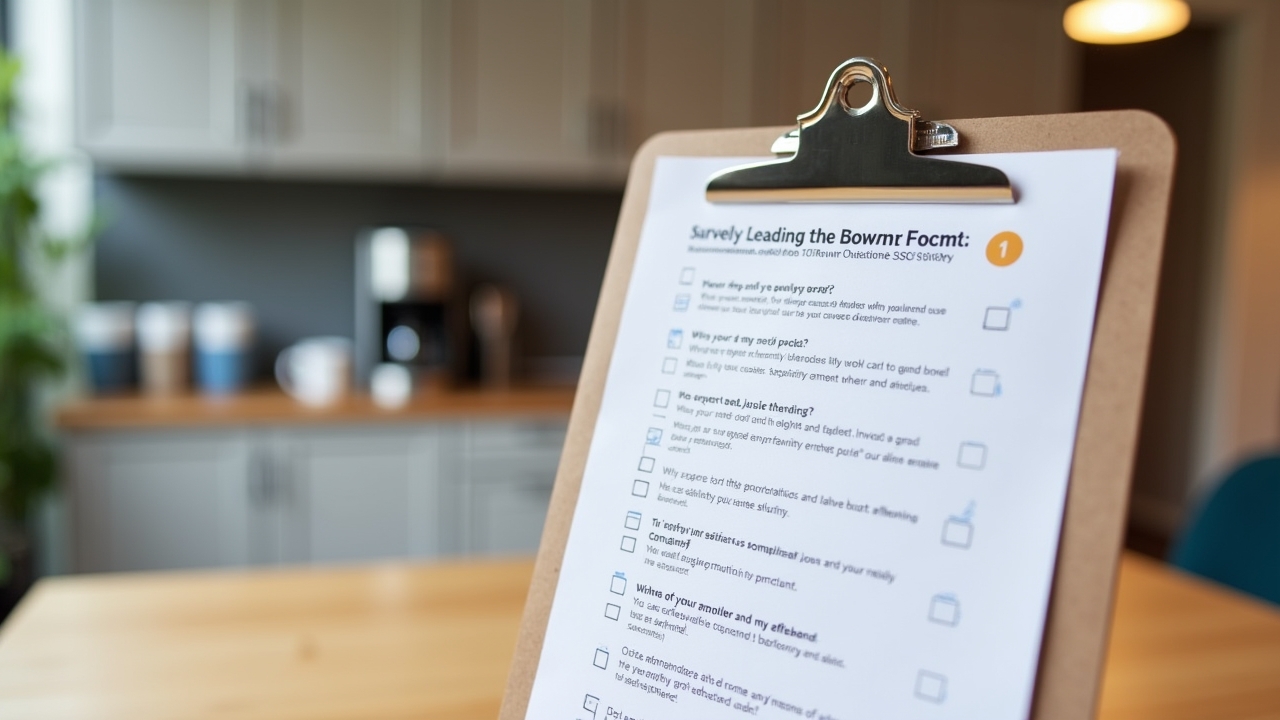
This is where things get a little tricky. I once sent out a “wellness survey” that was so long and invasive that people thought we were being monitored by corporate. Lesson learned — keep it anonymous and keep it short.
Pulse surveys are your best friend here. Instead of one massive annual survey, send brief check-ins monthly or even weekly. The WHO’s guidelines on workplace mental health recommend regular, anonymous feedback mechanisms as a best practice. And honestly, they’re right.
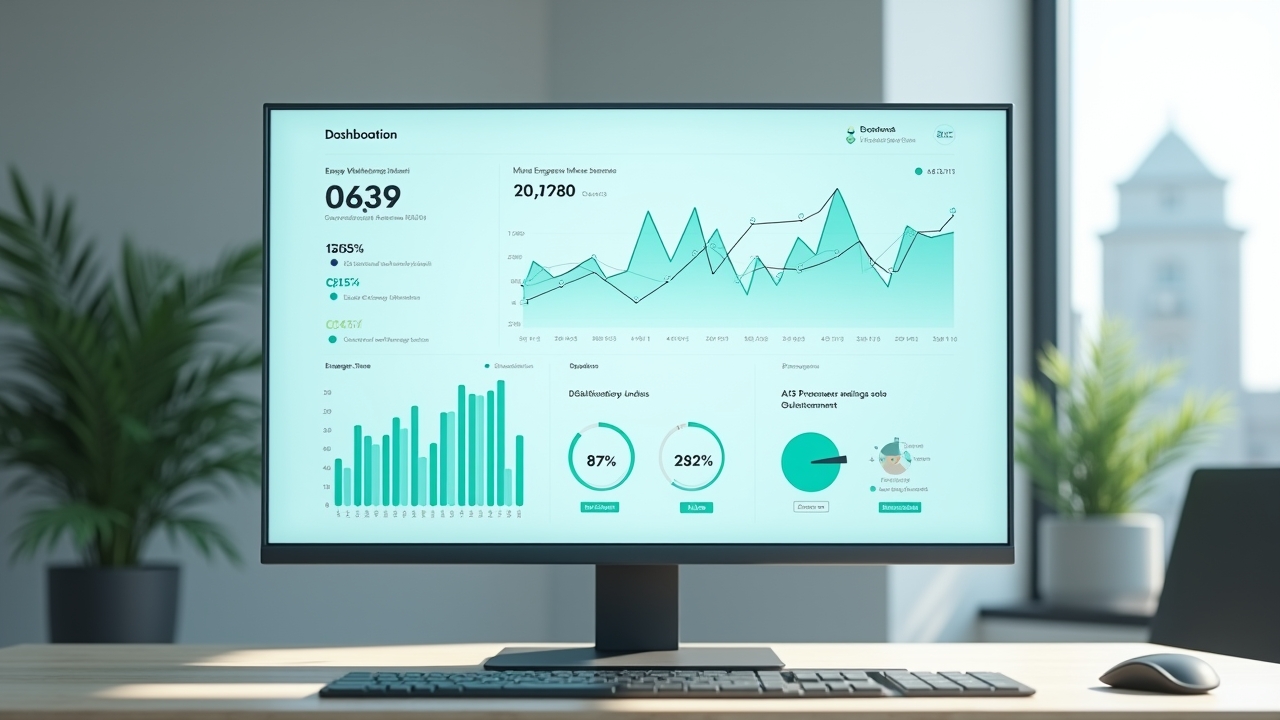
You can also pull quantitative data from your existing HR systems. Absenteeism, overtime, and turnover numbers are probably already sitting in your HRIS — you just need to start looking at them through a wellbeing lens. Combine that hard data with the qualitative stuff from surveys and one-on-one conversations, and you’ll get a much fuller picture of your team’s health.
One More Thing — Actually Do Something With the Data
This might sound obvious, but I’ve seen so many organizations collect employee wellbeing metrics and then just… nothing. The data sits in a spreadsheet gathering digital dust. If employees take the time to tell you how they’re feeling and nothing changes, trust erodes fast.
Even small actions matter. Share what you learned, explain what you’re going to do about it, and follow through.
Your People Are Talking — Are You Listening?
Measuring employee wellbeing isn’t a one-and-done project. It’s an ongoing commitment that needs to be tailored to your specific team and culture. What works for a 500-person tech company won’t necessarily work for a 20-person nonprofit, and that’s totally okay.
Just remember to respect privacy, be transparent about why you’re collecting data, and always prioritize action over analysis paralysis. If you’re looking for more practical ideas on building a healthier workplace, head over to the Stress Free Workplace blog — there’s plenty more where this came from!