Advertisements
How Standing Desks Transformed My Team’s Energy (And Why I’ll Never Go Back)
Here’s a stat that honestly blew my mind: the World Health Organization estimates that sedentary behavior contributes to roughly 2 million deaths per year globally. TWO MILLION. When I first read that, I looked around my office and saw eight people slumped in their chairs, barely blinking at their screens, and I thought — we gotta fix this.
That was about three years ago. Since then, introducing standing desks to my team has been one of the single best decisions I’ve made as a manager. And honestly, the boost in team energy alone was worth every penny.
The Day I Realized We Had an Energy Problem
So picture this. It’s 2:00 PM on a Tuesday, and I’m leading a brainstorm session. Half my team looks like they’re attending their own funeral.
Eyes glazed over, zero engagement, somebody was literally yawning with their mouth wide open like a cartoon character. I’d been noticing this afternoon slump for months, but that day it really hit me. Our workplace productivity was tanking after lunch and nobody was talking about it.
I went down a rabbit hole that night researching office ergonomics and employee wellness strategies. That’s when I stumbled across studies from places like Healthline showing that standing desks can reduce fatigue, improve mood, and boost overall energy levels. I was sold before I even finished reading.
Advertisements
Starting Small (Because I Definitely Made Mistakes)
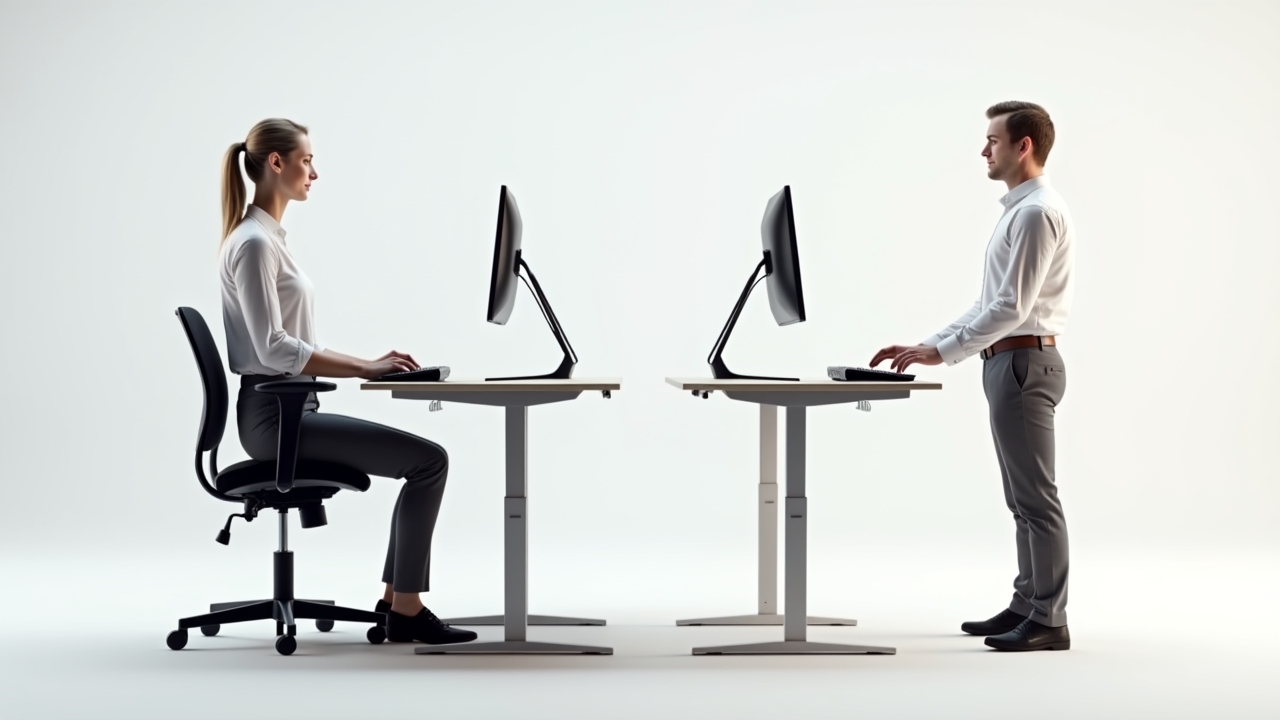
Now, I didn’t just go out and replace every desk overnight. That would’ve been chaos — and expensive. Instead, I bought three adjustable sit-stand desks as a pilot program.
Here’s where I messed up though. I just plopped the desks in without any guidance. One of my team members, Sarah, stood for like six hours straight on day one and her feet were absolutely destroyed. Lesson learned — you gotta ease into it.
The sweet spot we eventually found was alternating between sitting and standing every 30 to 45 minutes. The Mayo Clinic actually recommends something similar, and it made a huge difference once we started following that rhythm. Anti-fatigue mats were also a game-changer, by the way.
The Energy Shift Was Real
Within about two weeks, the difference was noticeable. Like, genuinely noticeable. The afternoon slump didn’t completely disappear, but it got way less brutal.
People were moving more, chatting more, and the general vibe in the office shifted from “zombie apocalypse” to something that actually felt alive. Our team collaboration improved because, honestly, it’s easier to have a quick conversation when you’re already on your feet. Standing desks and team energy go hand in hand — pun intended.
One thing that surprised me was how it affected creativity during meetings. When a few of us stood around a shared high table instead of sitting in a conference room, ideas flowed faster. Meetings got shorter too, which everyone loved.
Practical Tips If You’re Thinking About Making the Switch
Alright, so if you’re considering standing desks for your team’s energy and overall wellbeing, here’s what I’d recommend based on my own trial-and-error experience:
- Start with adjustable desks so people can sit when they need to — forcing anyone to stand all day is a bad idea.
- Invest in anti-fatigue mats because they make a world of difference on your joints.
- Encourage the 30-45 minute sit-stand rotation instead of marathon standing sessions.
- Get proper monitor arms so screens are at eye level — neck strain is no joke.
- Let employees opt in rather than making it mandatory. Some folks have conditions where prolonged standing isn’t ideal.
Also, comfortable footwear matters more than you’d think. One of my guys switched from dress shoes to supportive sneakers and said it was like night and day.
Worth Every Bit of the Investment
Look, standing desks aren’t some magical cure for workplace fatigue. But combined with good habits, regular movement breaks, and a culture that actually cares about employee health, they can seriously transform your team’s energy and engagement.
My team is proof. Every situation is different though, so tweak these ideas to fit your own office setup and team needs. And please — make sure people with back issues or other health concerns talk to their doctor before committing to long standing periods.
If you’re hungry for more ways to create a healthier, happier work environment, head over to the Stress Free Workplace blog. We’ve got tons of practical tips waiting for you there!