Advertisements
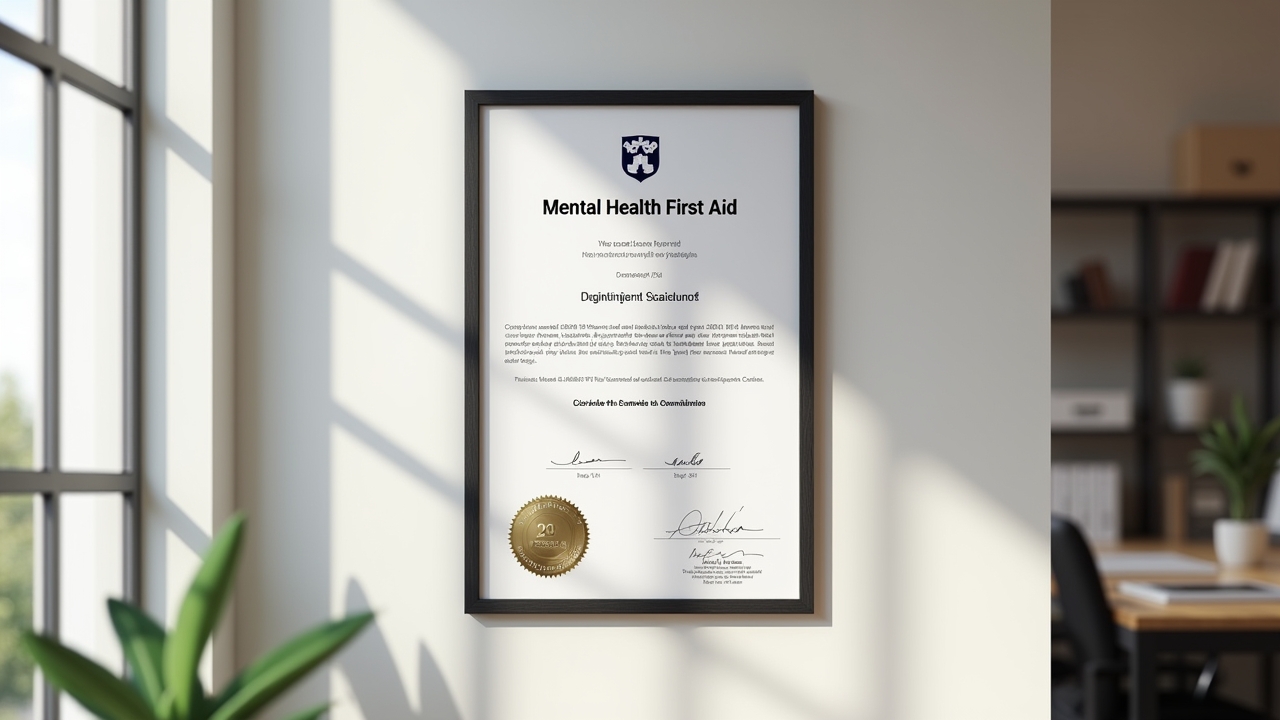
Why a Mental Health First Aid Program Changed Everything I Thought I Knew About Helping People
Here’s a stat that honestly stopped me in my tracks: one in five adults in the U.S. experiences a mental illness in any given year, according to NAMI. One in five! When I first heard that number during a staff meeting, I realized I had absolutely no clue how to help someone in a mental health crisis. Like, zero skills. That’s exactly why I signed up for a mental health first aid program, and honestly, it’s one of the best decisions I’ve ever made.
What Exactly Is a Mental Health First Aid Program?
So let me break it down real quick. A mental health first aid program is basically a training course that teaches you how to recognize the signs of mental health challenges and substance use disorders. Think of it like CPR, but for someone’s emotional and psychological wellbeing.
The program was originally developed in Australia back in 2001 and has since been adapted in over 25 countries. In the U.S., it’s managed by the National Council for Mental Wellbeing, and it typically runs about eight hours. You learn an action plan called ALGEE — which I’ll get into in a minute — and you walk away feeling way more confident about approaching someone who might be struggling.
My First Awkward Attempt at Helping a Coworker
Before I took the course, I remember noticing a coworker who was clearly going through something rough. She was withdrawn, missing deadlines, and honestly looked like she hadn’t slept in days. I wanted to say something but I was terrified of making it worse.
So what did I do? I left a granola bar on her desk with a sticky note that said “hang in there.” Yeah. Not exactly a masterclass in workplace mental health support, right?
Advertisements
That experience actually haunted me a little. I kept thinking — what if she needed real help and I just handed her a Nature Valley bar? It was frustrating because I genuinely cared but had no framework for what to do.
The ALGEE Action Plan: A Game Changer
During the mental health first aid certification course, they taught us this five-step action plan called ALGEE. It stands for:
- Assess for risk of suicide or harm
- Listen nonjudgmentally
- Give reassurance and information
- Encourage appropriate professional help
- Encourage self-help and other support strategies
When I first saw the acronym, I thought it was a bit cheesy — not gonna lie. But once we started role-playing scenarios in class, everything clicked. Having a structured approach removed so much of the anxiety I felt about saying the wrong thing. It was honestly a triumph moment for me.
Why Every Workplace Needs This Training
Here’s the thing that gets me fired up. We train people for fire drills, we have first aid kits in every break room, but most workplaces do virtually nothing when it comes to psychological first aid or crisis intervention skills. It’s kind of wild when you think about it.
After completing my training, I actually pushed my HR department to implement a mental health first aid program company-wide. It wasn’t easy — there was pushback about cost and time — but the data from organizations like the Substance Abuse and Mental Health Services Administration (SAMHSA) made a compelling case. Employee wellbeing programs reduce absenteeism, improve morale, and create a culture where people actually feel safe asking for help.
Quick Tips If You’re Considering the Program
- Check if your employer will cover the cost — many do under professional development budgets.
- Go in with an open mind, even if you think you already “get” mental health.
- Practice the ALGEE steps with a friend afterwards so they stick.
- Don’t expect to become a therapist — you’re learning to be a bridge to professional resources, not a replacement for them.
Your Next Step Might Be Simpler Than You Think
Look, I’m not saying a mental health first aid program will make you a crisis counselor overnight. But it will absolutely give you the confidence to show up for someone in a meaningful way — not just with a granola bar. The stigma around mental illness and emotional distress won’t disappear on its own. It takes people who are trained and willing to have those uncomfortable conversations.
If this topic resonates with you, I’d really encourage you to explore more resources on building a supportive work environment. Head over to the Stress Free Workplace blog for more practical posts on employee wellness, burnout prevention, and creating psychologically safe teams. You might just find the nudge you’ve been looking for.