Advertisements
The Science Behind Power Naps and Why They Might Be the Best Thing You Do at Work Today
Here’s a stat that honestly blew my mind: NASA found that a 26-minute nap improved pilot performance by 34% and alertness by 54%. Twenty-six minutes! I remember reading that and thinking, “I spend longer than that deciding what to eat for lunch.” If astronauts and pilots are napping on the job, maybe the rest of us should stop feeling guilty about it too.
I used to be one of those people who powered through the afternoon slump with a third cup of coffee. Spoiler alert — it didn’t work. I’d just end up jittery AND tired, which is honestly the worst combo.
What Exactly Is a Power Nap, Anyway?
A power nap is a short sleep session, typically lasting between 10 and 30 minutes, designed to boost your energy without leaving you groggy. The key word here is “short.” We’re not talking about crawling under your desk for two hours like George Costanza.
The science is pretty straightforward. During a brief nap, your brain cycles through the lighter stages of non-REM sleep, which is where memory consolidation and mental restoration happen. Go too long though, and you slip into deep sleep — that’s when you wake up feeling like you’ve been hit by a truck. Sleep researchers call that “sleep inertia,” and trust me, it’s no joke.
Why Your Afternoon Brain Is Basically Running on Fumes
There’s a biological reason you feel like a zombie around 2 PM. Your circadian rhythm — that internal clock governing your sleep-wake cycle — naturally dips in the early afternoon. It’s not because of your lunch or because you’re lazy.
Advertisements
I learned this the hard way. For years I blamed my afternoon crash on eating too many carbs at lunch. So I switched to salads, then to skipping lunch entirely. Neither helped because the real culprit was my circadian biology, not my sandwich.
When adenosine (a chemical that builds up in your brain and makes you sleepy) accumulates throughout the day, your cognitive performance takes a nosedive. A short nap helps clear some of that adenosine, essentially giving your brain a soft reboot.
How I Actually Started Napping at Work Without Getting Fired
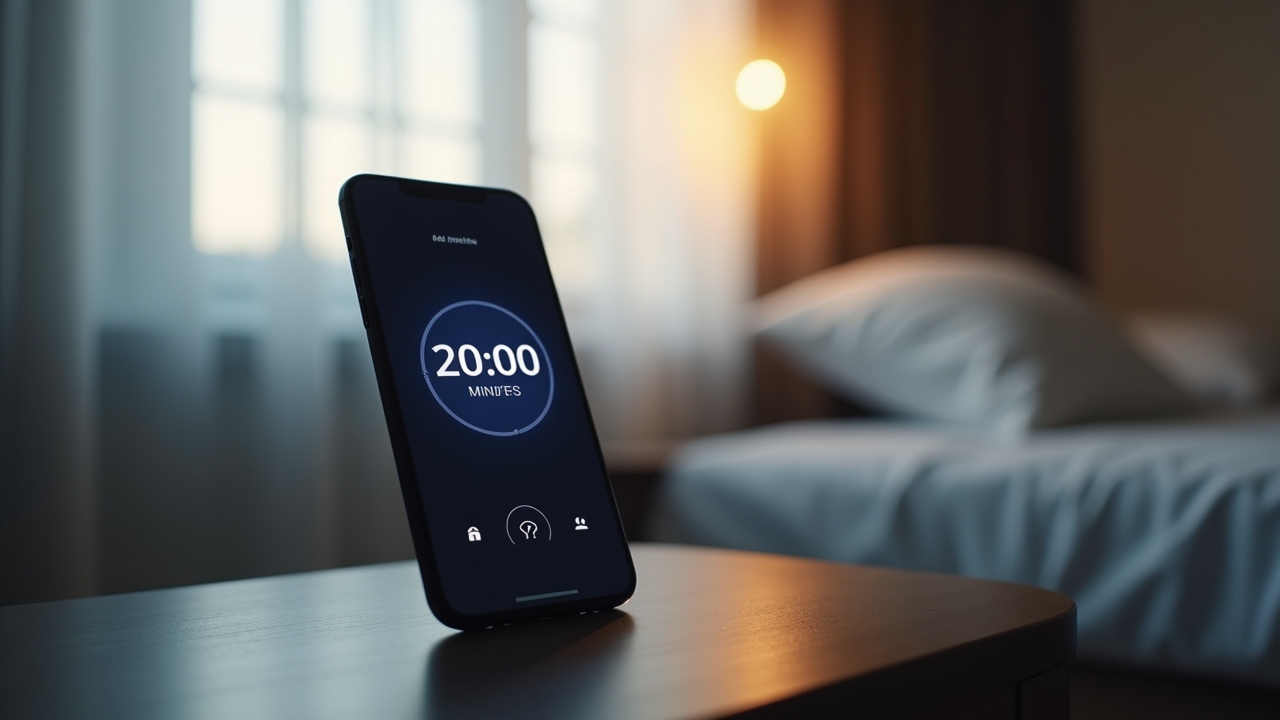
Okay, so here’s where it gets real. About three years ago, I started sneaking power naps during my lunch break. I’d go to my car, set a timer for 20 minutes, and close my eyes. Was it glamorous? Absolutely not. Did a coworker once knock on my window and scare the living daylights out of me? Yes.
But the difference in my afternoon productivity was wild. I was sharper in meetings, my mood improved, and I stopped making those dumb little errors in emails that always came back to haunt me. Eventually I mentioned it to my manager, half expecting to get laughed at, and she was like, “Oh yeah, I nap in the wellness room all the time.”
Here are the practical tips that worked for me:
- Keep it under 25 minutes — set an alarm, no exceptions
- Find a quiet, dimly lit spot (your car, a wellness room, even a parked conference room)
- Use earplugs or white noise on your phone
- Try the “coffee nap” trick — drink coffee right before napping so the caffeine kicks in as you wake up
- Don’t nap after 3 PM or you’ll mess with your nighttime sleep
But What If Your Workplace Doesn’t Support Napping?
Look, not every office has nap pods like Google. Most of us are working in regular buildings with fluorescent lights and questionable breakroom coffee. That’s okay. The key is being creative and advocating for yourself.
Some companies are slowly coming around to the idea that rest improves workplace performance. If yours hasn’t yet, maybe share some of that NASA research with your HR department. Just a thought.
Your Afternoon Slump Doesn’t Have to Win
The bottom line is this — power naps aren’t a sign of weakness. They’re backed by neuroscience, endorsed by sleep researchers, and honestly one of the simplest productivity hacks I’ve ever tried. Start small, experiment with timing, and see what works for your body.
Just remember to be mindful of your overall sleep health too. Naps should complement good nighttime rest, not replace it. If you’re curious about more ways to feel better at work, check out other posts on Stress Free Workplace — we’ve got tons of practical stuff to help you actually enjoy your workday.