Advertisements
How Poor Indoor Lighting Is Quietly Killing Your Productivity
Here’s a stat that honestly blew my mind: a study by Future Workplace found that access to natural light and views of the outdoors is the number one attribute of the workplace environment. Not free coffee. Not a ping pong table. Light! And yet, so many of us are grinding away under flickering fluorescents that make us feel like we’re trapped in a horror movie set.
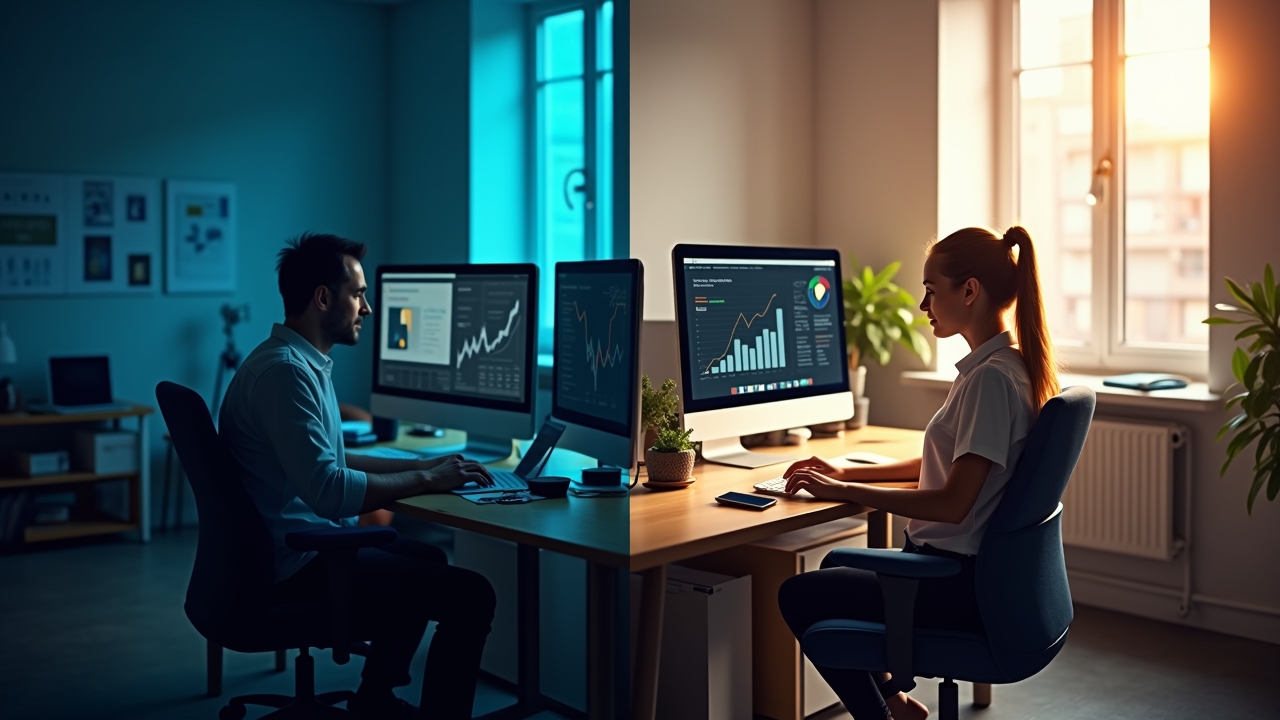
I spent nearly three years working in a basement office with the worst lighting you can imagine. I’m talking dim, buzzy overhead tubes that gave everything a sickly yellow tint. I thought my constant headaches and afternoon brain fog were just part of getting older. Turns out, poor indoor lighting was wrecking my productivity the whole time.
What Actually Happens to Your Brain in Bad Lighting
So here’s the thing — your body runs on something called a circadian rhythm, which is basically your internal clock. Light is the single biggest cue that tells your brain whether it’s time to be alert or time to wind down. When you’re sitting under dim, artificial light all day, your brain gets confused signals and starts acting like it’s bedtime at 2 PM.
I remember this one stretch where I couldn’t figure out why I was so sluggish every afternoon. I was eating right, sleeping okay, exercising a few times a week. Then I read a piece from the Harvard Health Blog about how light exposure affects melatonin production, and it all clicked. My workspace was literally putting me to sleep.
Poor lighting doesn’t just make you tired, though. It causes eye strain, headaches, and increased stress levels. Over time, that stuff compounds and you end up feeling burnt out without really knowing why.
Advertisements
The Mistakes I Made (So You Don’t Have To)
My first attempt at fixing the problem was honestly laughable. I bought this super bright desk lamp off Amazon — we’re talking blinding white LED — and just aimed it right at my face. My eyes were watering within an hour. More light doesn’t automatically mean better light, and that was a lesson learned the hard way.
Another mistake? I completely ignored color temperature. Not all light is created equal. Warm light around 2700K is great for relaxing, but for focused work you want something in the 4000K to 5000K range — that cooler, daylight-like tone that keeps your brain engaged without feeling harsh.
I also didn’t think about light placement for the longest time. Having a single overhead light source creates shadows on your desk and forces your eyes to constantly adjust. It’s exhausting and you don’t even realize it’s happening.
Simple Fixes That Actually Worked for Me
After all my trial and error, here’s what finally made a real difference in my workspace lighting and, honestly, my whole energy level throughout the day:
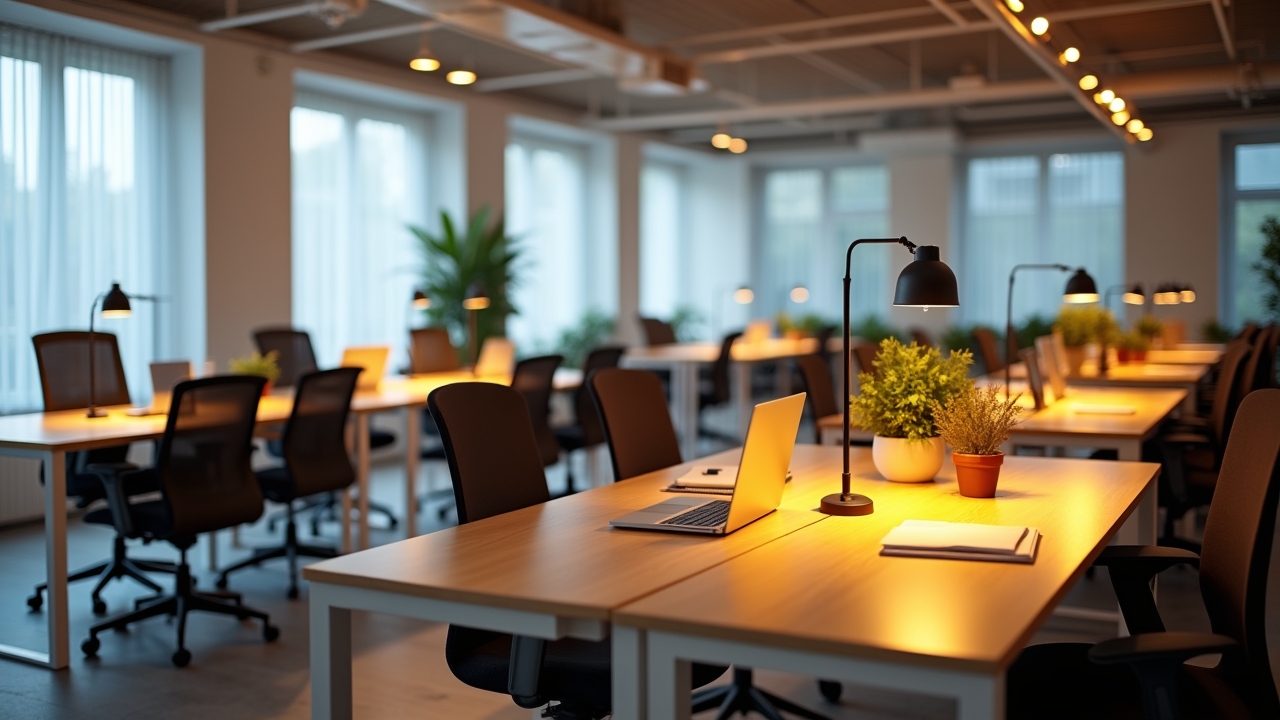
- Layer your lighting. Use a combination of overhead ambient light, a task lamp on your desk, and if possible, position yourself near a window. The Illuminating Engineering Society recommends around 300-500 lux for office work, which is way more than most people have.
- Get a tunable LED desk lamp. One where you can adjust both brightness and color temperature. Game changer. I use mine at cooler settings in the morning and shift warmer as the day goes on.
- Maximize natural light. Move your desk closer to windows if you can. Even opening blinds fully made a noticeable difference for me. Just make sure you’re not getting glare on your screen — that creates its own problems.
- Take light breaks. Step outside for even five minutes. Natural daylight exposure during the day helps regulate your sleep-wake cycle and boosts your mood.
- Ditch the flickering bulbs. Seriously, if your overhead light flickers even a little, replace it. That subtle strobe effect causes fatigue and headaches faster than you’d think.
Your Workspace Deserves Better — And So Do You
Look, I know lighting isn’t the sexiest topic in the world. But after experiencing firsthand how much of a difference it makes, I genuinely believe it’s one of the most underrated factors in workplace wellness and daily output. Small changes in your indoor light environment can lead to massive improvements in focus, mood, and overall productivity.
Every workspace is different, so experiment with what works for your specific setup. And please, if you’re dealing with persistent headaches or eye strain, don’t just push through it — that’s your body telling you something is off.
If you found this helpful, check out more practical tips on creating a healthier work environment over at Stress Free Workplace. We’ve got plenty of posts designed to help you work smarter and feel better doing it!