Advertisements
Ergonomic Upgrades Office ROI: Why I Wish I’d Invested Sooner
Here’s a stat that honestly blew my mind — companies that invest in ergonomic upgrades see an average return of $3 to $6 for every $1 spent. I know, right? When I first stumbled across that number, I was sitting in a cheap office chair that was literally destroying my lower back, and I thought there’s no way that’s real.
But it is. And after years of managing a small team and watching productivity tank because everyone was uncomfortable, sore, or calling in sick, I can tell you that ergonomic upgrades office ROI isn’t just some corporate buzzword. It’s the real deal, and it changed how I run my workspace forever.
The Day My Back Finally Said “Enough”
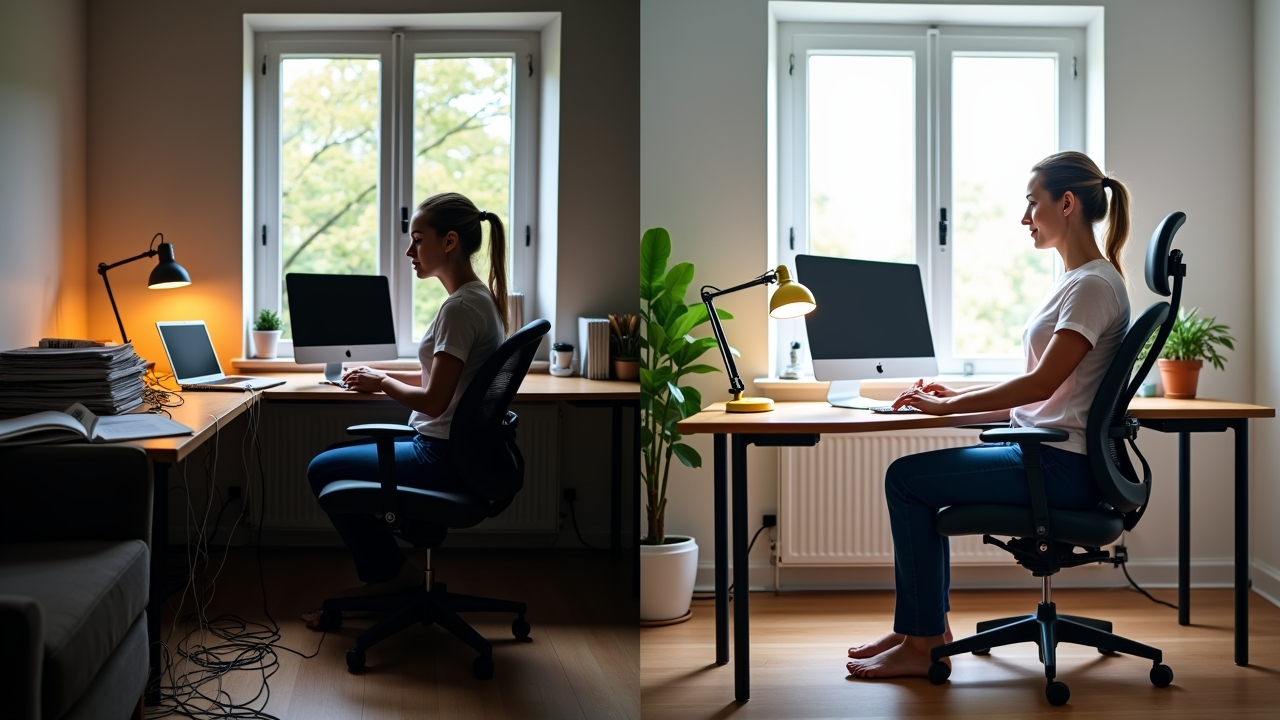
So let me paint you a picture. About three years ago, I was hunched over a flat desk with a $50 chair from a big box store, wondering why I could barely focus past 2 PM every day. My neck was stiff, my wrists ached, and honestly I was cranky all the time.
I finally went to a physical therapist who basically told me my workstation was a disaster. That was the wake-up call. I started researching workplace ergonomics and realized I’d been penny-wise and pound-foolish for years.
What Ergonomic Upgrades Actually Cost (And What You Get Back)
Let’s talk numbers because I know that’s what you’re really here for. A decent ergonomic office chair runs anywhere from $300 to $1,200, and a sit-stand desk will set you back $400 to $800. Sounds like a lot, I get it.
Advertisements
But here’s what happened after I made these changes for my team of eight people. Sick days dropped by about 30% in the first six months. Employee productivity went up noticeably — we started hitting deadlines we used to miss regularly.
The Washington State Department of Labor found that ergonomic interventions reduced musculoskeletal disorders by 59% on average. When your people aren’t hurting, they work better. It’s really that simple.
The Upgrades That Gave Me the Biggest Bang for My Buck
- Adjustable monitor arms — These were like $40 each and eliminated neck strain almost immediately. Best cheap upgrade I ever made.
- Ergonomic keyboards and mice — I went with split keyboards and vertical mice. A few people thought they was weird at first, but within a week everyone loved them.
- Sit-stand desks — Game changer. People started moving more throughout the day and the afternoon energy crash got way less severe.
- Proper task lighting — I didn’t even think about this one initially, but reducing eye strain made a huge difference in headache complaints.
- Footrests and lumbar supports — Small investments, maybe $25-50 each, with outsized returns in comfort.
How to Calculate Your Own Ergonomic ROI
Okay so here’s a quick way to figure this out for your situation. Start by tracking how many sick days or workers’ comp claims are related to discomfort — back pain, carpal tunnel, that sort of thing. Then estimate the cost of lost productivity per employee per day.
For my team, I estimated each lost day cost roughly $250 in productivity. We were losing about 40 days a year across the team to pain-related issues. That’s $10,000 gone, just like that.
My total ergonomic investment was around $6,500. It paid for itself in about eight months. After that, it was pure savings and happier employees who actually wanted to show up to work.
Don’t Overlook the Intangible Returns
Something I didn’t expect was how much employee morale improved. When people feel like you care about their physical wellbeing, they become more engaged and loyal. Our retention rate got noticeably better, and recruiting became easier too because word got around that we actually invested in our workspace.
Also — and this is kind of a tangent — the office just looked more professional. Clients noticed. It’s a small thing but it mattered.
Your Workspace Is Worth the Investment
Look, I wasted years sitting in pain and watching my team do the same. Ergonomic upgrades aren’t a luxury — they’re one of the smartest investments you can make for your business and your body. Start small if you need to, even a monitor arm and a decent chair will change your daily experience.
Every office is different, so tailor these ideas to what your team actually needs. And please, don’t ignore persistent pain — it’s your body telling you something needs to change. For more practical tips on building a healthier, happier workspace, check out the Stress Free Workplace blog. We’ve got tons of stuff that’ll help you work smarter, not harder.