Advertisements
Corporate Fitness Challenges Team: How to Actually Get Your Coworkers Moving (Without Making Everyone Hate You)
Here’s a stat that honestly blew my mind — according to the World Health Organization, around 1.4 billion adults worldwide aren’t getting enough physical activity. And let me tell you, a huge chunk of those folks are sitting right next to you in the office. I’ve been organizing corporate fitness challenges for teams for about seven years now, and I’ve seen firsthand how a well-run wellness program can completely transform a workplace. But I’ve also seen them crash and burn spectacularly!
Why Corporate Fitness Challenges Actually Matter
So here’s the thing — employee wellness programs aren’t just some trendy HR buzzword. They genuinely work when done right. I remember my first attempt at launching a workplace fitness challenge back in 2018, and it was, well, a disaster.
I basically told everyone to “just start walking more” and expected magic to happen. Spoiler alert: nobody cared. What I learned the hard way is that team-based fitness challenges need structure, incentives, and most importantly, they gotta be fun.
Research from the Society for Human Resource Management shows that companies with strong wellness initiatives see reduced absenteeism, higher morale, and better employee retention. That’s not fluff — that’s real business impact.
Picking the Right Challenge for Your Team
Not every corporate fitness challenge works for every group. Trust me on this one. I once organized a company-wide running competition and completely forgot that half our team had physical limitations. Talk about feeling like a jerk.
Advertisements
Here are some team fitness challenge ideas that tend to work well across different fitness levels:
- Step challenges — Everyone tracks daily steps using apps like Fitbit or smartphone pedometers. Super inclusive and easy to manage.
- Hydration challenges — Teams compete to drink enough water daily. Sounds simple, but people get weirdly competitive about it.
- Active minutes tracking — Instead of focusing on one activity, team members log any physical activity. Yoga, swimming, gardening — it all counts.
- Wellness bingo — Create bingo cards with healthy habits and let teams race to complete rows.
The key is giving people options. A good corporate wellness challenge meets employees where they are, not where you think they should be.
How to Build Teams That Actually Stick Together
This part is where most people mess up, and honestly, I was no exception at first. You can’t just randomly assign groups and hope for the best. Team composition matters a lot.
Mix departments together so people connect with coworkers they wouldn’t normally interact with. I started doing this about four years ago and the difference in employee engagement was night and day. Suddenly, the accounting folks were high-fiving the marketing team in the hallway — it was kind of beautiful, actually.
Keep teams small, like four to six people. Anything bigger and accountability gets lost. Also, assign team captains who are enthusiastic but not overbearing — nobody wants a drill sergeant sending passive-aggressive messages at 6 AM.
Keeping the Momentum Going
The first week of any workplace fitness challenge is always electric. Everyone’s pumped, tracking their steps, posting sweaty selfies on Slack. Then week three hits and suddenly it’s crickets.
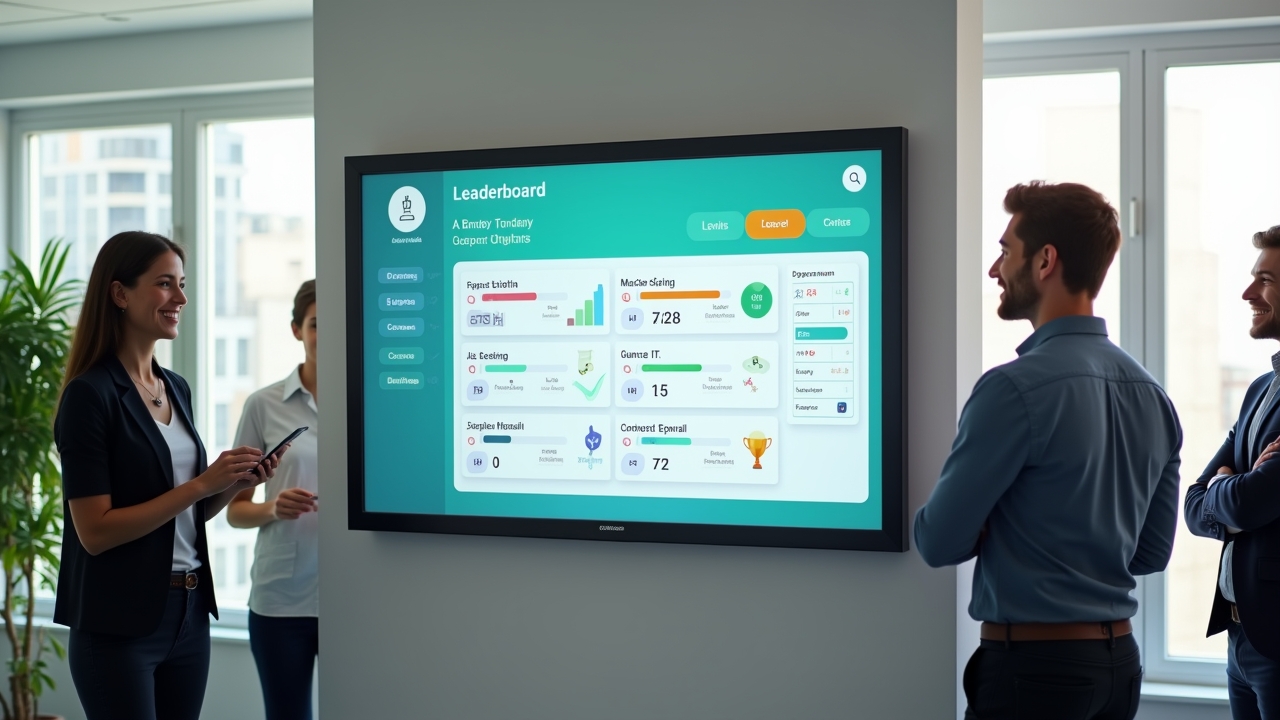
I’ve found that weekly check-ins, leaderboards, and small milestone rewards keep people motivated. You don’t need a huge budget either — gift cards, extra PTO hours, or even a goofy trophy works wonders. One company I worked with used a golden sneaker that got passed around to the winning team each week, and people absolutely loved it.
Communication is everything here. Use platforms like Slack or Microsoft Teams to create dedicated challenge channels where people can share progress and cheer each other on.
Your Team’s Next Move Starts Now
Look, organizing a corporate fitness challenge for your team doesn’t have to be complicated or expensive. Start small, listen to your people, and don’t be afraid to adjust things on the fly. The most important thing is creating a culture where health and wellness are valued — not forced.
And please, remember that inclusivity and safety should always come first. Not everyone’s body works the same way, and that’s perfectly okay. The best challenges celebrate effort, not just results.
If you’re hungry for more ideas on building a healthier, happier workplace, head over to the Stress Free Workplace blog — we’ve got tons of practical tips waiting for you!