Advertisements
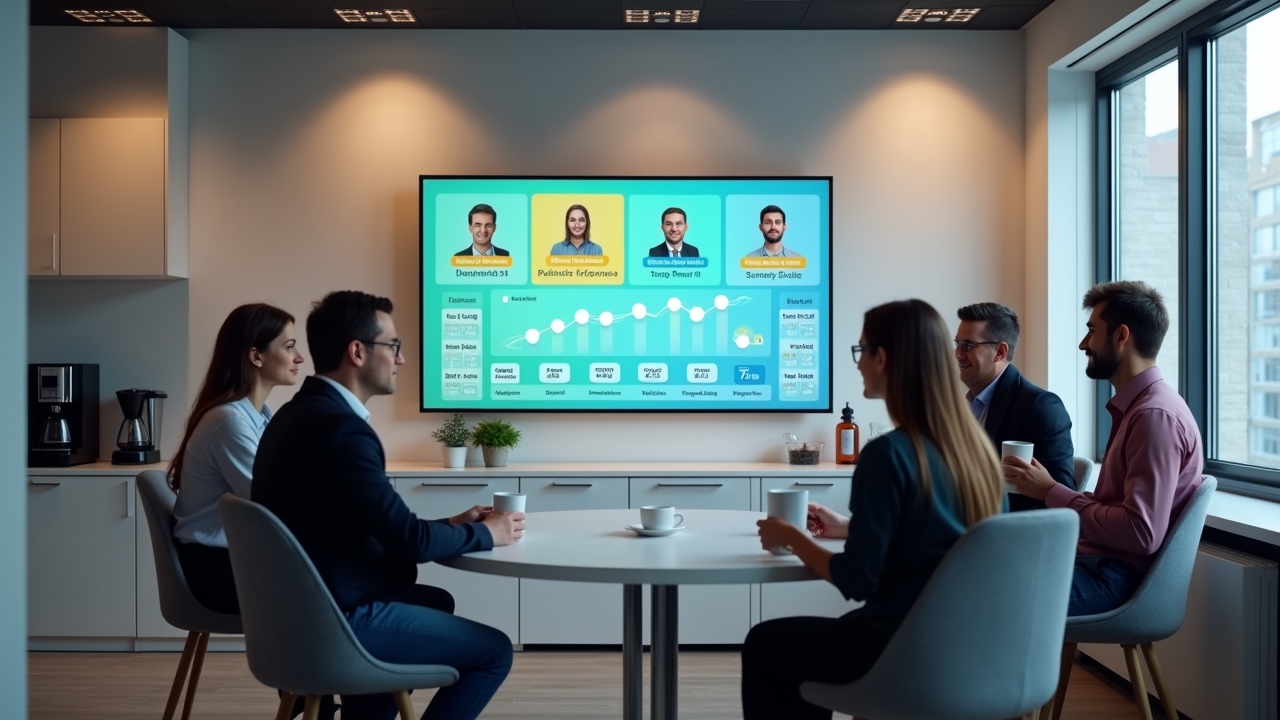
Gamification Wellness Programs: How Turning Health Into a Game Changed Everything at My Workplace
Here’s a stat that honestly blew my mind: companies that use gamification in their wellness programs see up to a 60% increase in employee engagement. Sixty percent! When I first heard that number, I thought it was exaggerated. But after watching my own team go from ignoring wellness initiatives to practically competing over step counts, I became a total believer.
Gamification wellness programs are basically what happens when you take the addictive elements of games — points, badges, leaderboards, challenges — and slap them onto health and wellbeing activities. And honestly, it works way better than anyone expects. Let me walk you through what I’ve learned, the mistakes I made, and why this approach might just be the thing your workplace needs.
What Even Are Gamification Wellness Programs?
So at their core, gamification wellness programs use game mechanics to motivate employees to adopt healthier habits. Think earning points for drinking water, unlocking badges for completing a meditation streak, or climbing a leaderboard by logging workouts. It’s employee wellness meets your favorite mobile game.
The psychology behind it is pretty solid, actually. Platforms like Wellable and similar tools tap into our natural desire for competition, achievement, and social recognition. When health behaviors get rewarded with something visible — even if it’s just a digital badge — people suddenly care a lot more.
My First Attempt Was a Total Disaster
I’ll be real with you. The first time I tried implementing a gamified wellness challenge at work, it flopped hard. I set up a basic step-counting competition with a cheap app, offered a gift card as the prize, and figured people would just jump in. They didn’t.
Advertisements
The problem? I made it too competitive and not inclusive enough. The fitness enthusiasts dominated the leaderboard within three days, and everyone else just gave up. It was demoralizing instead of motivating, which is basically the opposite of what wellness engagement should look like.
What I learned was that good gamification isn’t just about competition. It’s about designing multiple pathways to success so that the person who walks 3,000 steps feels just as celebrated as the marathon runner.
What Actually Works: Tips From Someone Who’s Been There
After that initial failure, I did a ton of research and tried again. Here’s what made the difference:
- Team-based challenges over individual ones. When people work together toward a shared goal, participation skyrockets. Nobody wants to let their team down.
- Variety in activities. Don’t just track steps. Include mindfulness minutes, healthy eating logs, sleep tracking, and even financial wellness tasks. A holistic approach keeps things fresh.
- Meaningful rewards. Points and badges are great, but pairing them with tangible incentives like extra PTO hours or wellness stipends makes a huge difference in workplace motivation.
- Short challenge cycles. Month-long challenges keep energy high. Quarter-long ones? People forget they’re even participating by week three.
- Regular feedback. Weekly updates, shoutouts in team meetings, and progress dashboards keep the momentum going. People need to see they’re making progress.
The Results Honestly Surprised Me
After restructuring our program, participation jumped from about 20% to over 70% in just two months. People were actually talking about their wellness goals at lunch. Like, voluntarily! I had colleagues who never exercised start walking groups during breaks.
The ripple effects on employee health and workplace culture were noticeable too. Sick days went down slightly, and our annual engagement survey showed improved scores in the “my company cares about my wellbeing” category. That one hit different for me as someone who had been pushing for these programs for years.
Research from Gallup backs this up — organizations that prioritize wellbeing see better retention and productivity. Gamification just makes the whole thing stickier.
The Part Nobody Talks About
Look, gamification wellness programs aren’t magic. They require thoughtful design, consistent management, and genuine leadership buy-in. You also gotta be careful about privacy — tracking employee health data is sensitive territory, and transparency about what’s collected is non-negotiable.
Additionally, make sure participation always stays voluntary. The moment it feels forced, you’ve lost the plot entirely. Wellness should empower people, not pressure them.
If you’re curious about more ways to build a healthier, more engaged workplace, I’d love for you to explore other posts on Stress Free Workplace. There’s a whole world of practical strategies waiting for you — and honestly, your team deserves it.