Advertisements
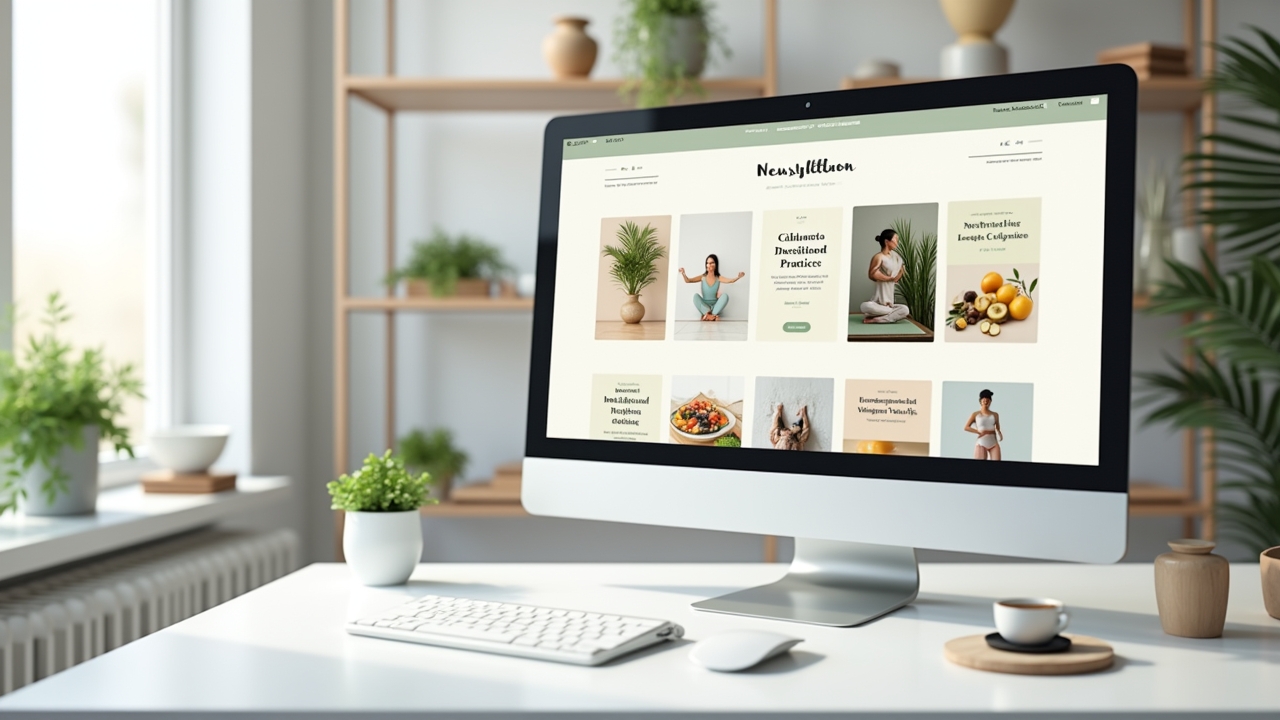
Why a Wellness Newsletter for Employees Might Be the Smartest Thing You Do This Year
Here’s a stat that honestly blew my mind: according to Gallup’s State of the Global Workplace report, only 23% of employees worldwide are actually thriving at work. That’s it. When I first read that, I thought about my own team and how disconnected everyone felt after we went remote a few years back.
That’s when I stumbled onto something stupidly simple that made a real difference — a wellness newsletter for employees. I know, it sounds almost too basic. But stick with me here, because this little email changed the entire vibe of our workplace culture.
How I Accidentally Started Our First Employee Wellness Newsletter
So funny story. I was actually just forwarding a mental health article from the American Psychological Association to a coworker who was going through a rough patch. Then another colleague asked me to send it to them too. Before I knew it, I was basically CC’ing the whole department every Monday morning.
My manager noticed and was like, “Hey, why don’t you just make this a thing?” And honestly, I was terrified. I’m not a designer or a health expert. But I threw together a simple employee wellness newsletter using Mailchimp, and the response was kinda overwhelming.
People actually read it. They replied to it. Someone even told me it was the first work email they looked forward to opening. That felt pretty great, not gonna lie.
Advertisements
What to Actually Put in a Wellness Newsletter
This is where I messed up at first. I crammed way too much information into the first few issues — nutrition tips, workout plans, meditation guides, financial wellness resources, you name it. It was basically a health textbook disguised as an email. Nobody wants that.
Here’s what I learned works best after months of trial and error:
- One main wellness topic per issue — stress management, sleep hygiene, workplace ergonomics, whatever feels timely
- A quick actionable tip — something people can do that same day
- A resource link — maybe a podcast episode or a short article from places like Mindful.org
- A personal story or employee spotlight — this builds community and makes it feel human
- A fun element — a wellness challenge, a poll, or even a meme about work-life balance
Keep it short. Like, really short. If your staff wellness communication takes more than three minutes to read, you’ve already lost most people.
The Mistakes That Almost Killed Our Newsletter
Oh man, where do I start. First, I was sending it on Friday afternoons. Terrible idea. Nobody reads anything on Friday afternoon — they’re mentally already on the couch. Switching to Tuesday mornings was a game changer for our open rates.
Second mistake? Being too corporate. I tried to make it sound “professional” and it came off stiff and boring. The moment I started writing like a real person — sharing my own struggles with burnout, admitting I ate chips for dinner — engagement went through the roof. People connect with authenticity, not polished HR speak.
Third, I forgot to ask for feedback. For like three months, I was just guessing what topics people cared about. A simple one-question survey changed everything. Turns out, my team was way more interested in mental health resources and financial wellness than the physical fitness content I kept pushing.
Does It Actually Improve Employee Wellbeing?
Look, a newsletter alone isn’t going to fix a toxic workplace. Let’s be real about that. But as part of a broader employee health promotion strategy, it absolutely moves the needle.
Research from the World Health Organization shows that workplace wellness initiatives — even small ones — can reduce absenteeism and improve overall morale. Our team saw a noticeable bump in participation for wellness programs after we started the newsletter. It became the bridge between offering resources and people actually using them.
Your Turn to Hit Send
Starting a wellness newsletter for employees doesn’t require a big budget or a fancy platform. It just requires someone who cares enough to show up in people’s inboxes with something genuinely helpful. Tailor it to your team’s specific needs, keep it real, and don’t overthink it.
Just remember — always respect people’s privacy and make it optional. Wellness should never feel forced. If you’re looking for more ideas on creating a healthier work environment, head over to the Stress Free Workplace blog for tons of practical resources. You’ve got this!