Advertisements
Asynchronous Communication: A Manager’s Guide to Finally Getting It Right
Here’s a stat that honestly blew my mind — the average employee attends 62 meetings per month, and half of them are considered a complete waste of time. Half! When I first stumbled across that number, I felt seen. Because I was that manager scheduling back-to-back Zoom calls like my life depended on it, burning out my team in the process.
That’s exactly why asynchronous communication matters so much for managers today. It’s not just a buzzword tossed around in remote work articles. It’s genuinely a game-changer for team productivity, morale, and yeah, your own sanity too.
What Even Is Asynchronous Communication?
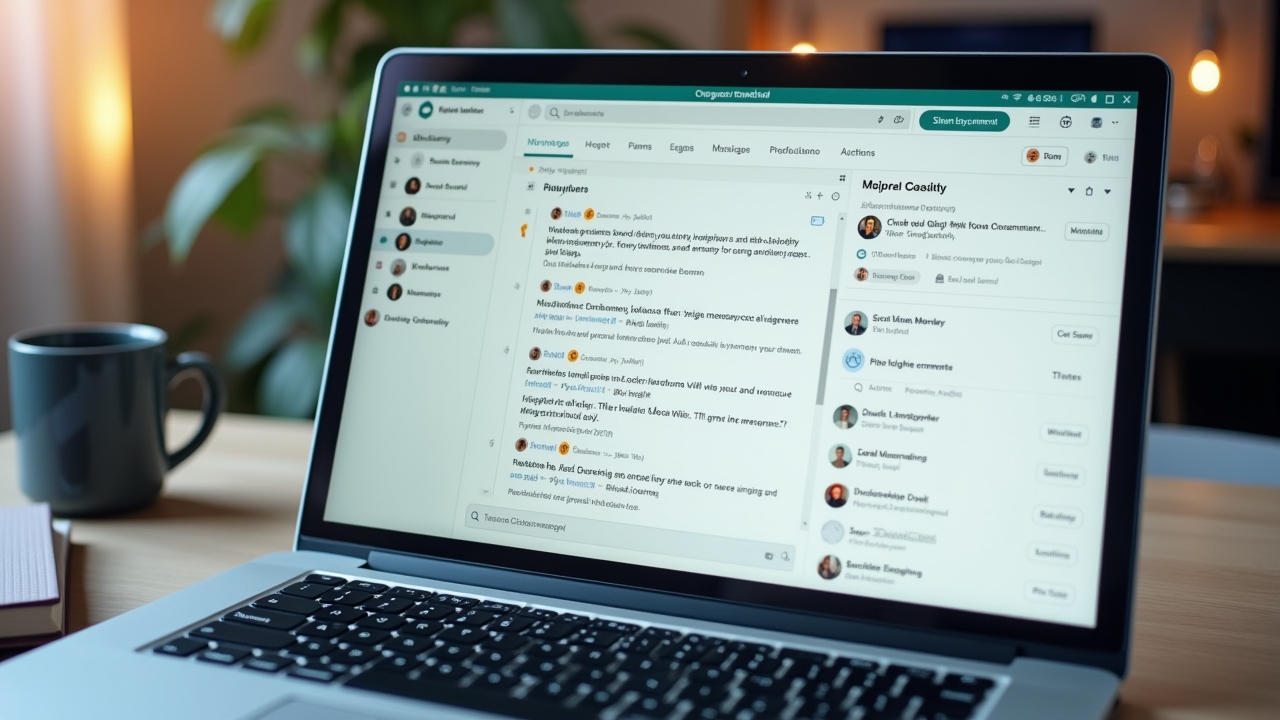
Okay so let me break this down real simple. Asynchronous communication is any exchange where people don’t need to be online or present at the same exact time. Think emails, recorded video messages, shared documents with comments, or project management boards.
The opposite is synchronous communication — your live meetings, phone calls, and those “got a sec?” Slack messages that absolutely never take just a sec. I learned the hard way that defaulting to synchronous everything was killing my team’s deep work time. People were spending their whole day in calls and then doing their actual work at night.
Why Managers Specifically Need to Care About This
Here’s the thing I wish someone told me five years ago. As a manager, you set the communication culture. Full stop. If you’re pinging people at all hours expecting instant replies, congratulations — you’ve just created an anxiety factory.
Advertisements
I remember one Tuesday where I sent a “quick question” to a developer on my team at 4:45 PM. She dropped everything, missed her kid’s soccer game to respond, and the answer wasn’t even needed until the following week. I felt terrible. That was my wake-up call that I needed a better approach to team communication norms.
Async communication gives your team members the freedom to respond when it actually makes sense. It respects different time zones, work styles, and the fact that humans aren’t notification-responding robots.
Practical Tips for Making Async Work (From Someone Who Messed It Up First)
Alright, let’s get into the stuff that actually helps. These are things I’ve implemented with my own distributed team over the past couple years.
- Write better messages. Seriously, this is the foundation. Instead of saying “Can we talk about the project?” try “Here’s my update on the Q3 project, the two decisions I need from you, and my suggested deadline of Friday.” Context is everything in async.
- Use tools like Loom for video updates. I started recording 3-minute video walkthroughs instead of scheduling 30-minute meetings. My team loved it because they could watch at 2x speed — which, honestly, is how most people should experience my talking.
- Set response time expectations. We agreed that Slack messages get a response within 4 hours during working hours. Emails within 24 hours. Notion comments within 48 hours. No more ambiguity.
- Designate “meeting-free” days. We blocked Tuesdays and Thursdays. Productivity literally jumped. People were finishing tasks that had been lingering for weeks.
- Document everything. If it’s not written down, it didn’t happen. We moved decisions out of DMs and into shared project boards on Asana so nothing got lost.
When You Should Still Go Synchronous
Now I’m not saying cancel every meeting forever. That’d be silly. Some conversations genuinely need real-time interaction — conflict resolution, sensitive feedback, brainstorming sessions where energy matters, and onboarding new hires.
The trick is being intentional. Before scheduling any call, I ask myself: “Could this be an email or a Loom?” About 70% of the time, the answer is yes. The remaining 30% becomes way more productive because people aren’t drowning in meeting fatigue.
Your Team Will Thank You (Mine Sure Did)
Switching to an async-first mindset wasn’t overnight for me. I stumbled, over-corrected, and had a few awkward weeks where nobody was sure when to respond to anything. But once we found our rhythm, the difference was night and day.
Every team is different, so take what works here and adapt it to your crew. Just remember — respecting your people’s time and attention isn’t just good management, it’s basic decency. If you’re hungry for more strategies on building a healthier team culture, head over to the Stress Free Workplace blog for more practical reads just like this one.